Gargantua
End-to-end recipe app design & development with existing coding experience and AI workflows
Gargantua
End-to-end recipe app design & development with existing coding experience and AI workflows
Client
Damien Pierre
Project Type
iOS & macOS Application
Tasks & Services
UX/UI Design, Development
From Kitchen to Code: Building a Cross-Platform Recipe App with AI-Assisted Development
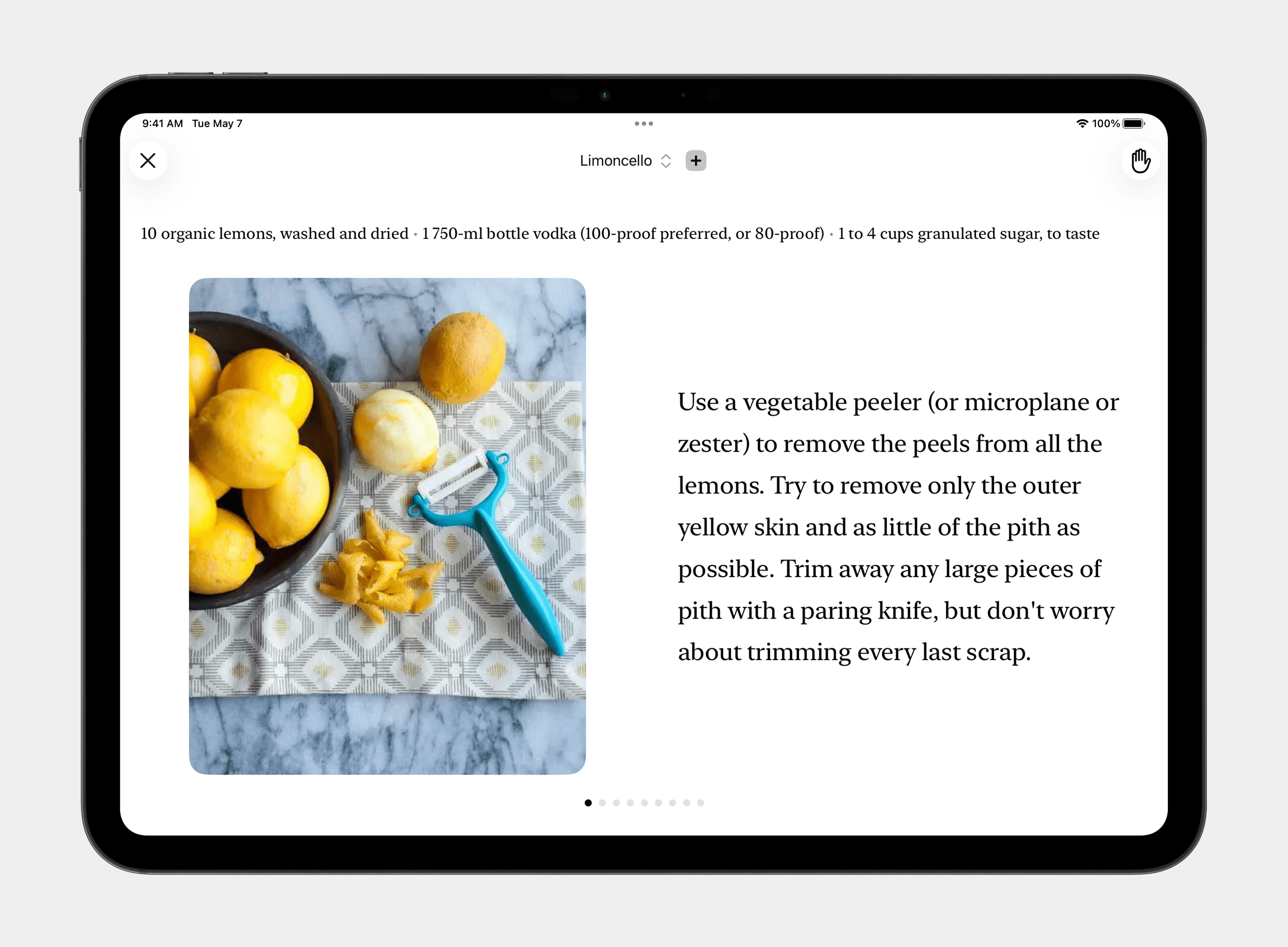
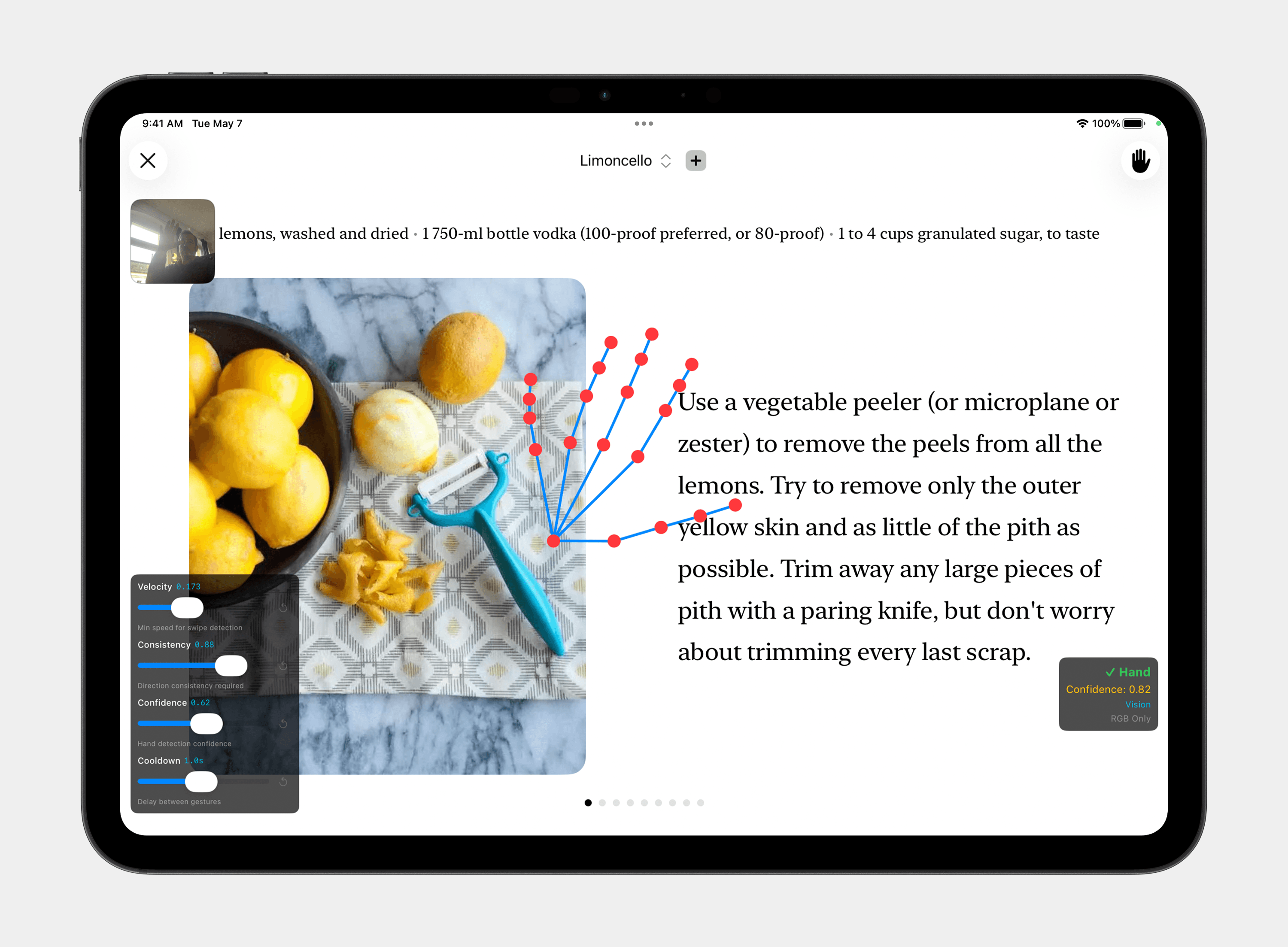
What started as a playful “what if” moment in my kitchen evolved into one of the most illuminating projects of my career: a deep dive into modern development workflows, AI-assisted coding, and the intersection of design and engineering. As someone passionate about cooking, I’d always wanted a recipe management app that truly understood how I work in the kitchen. I envisioned an app that could intelligently scale recipes and seamlessly convert between metric and imperial measurements, but the real game-changer would be hands-free navigation. Using Apple’s Vision framework and machine learning-powered gesture recognition through the device’s camera, I wanted cooks to move between steps with simple hand gestures. No more touching screens with flour-covered fingers or stopping to wash hands mid-recipe. When this combination of features didn’t exist in any app I could find, I realized I’d have to create it myself.
The Challenge
The twist? I chose to venture entirely outside my comfort zone, developing natively for the Apple ecosystem using Swift and SwiftUI, technologies I had zero prior experience with. This wasn’t just about learning a new language; it was about immersing myself in an entirely different development philosophy, toolchain, and design paradigm. Apple’s Human Interface Guidelines, Xcode’s peculiarities, SwiftUI’s declarative syntax, and the intricacies of building for multiple screen sizes across macOS, iPadOS, and iOS: all of it was uncharted territory.
Armed with 8+ years of React development experience and a deeply ingrained component-based mindset, I wondered: could AI agentic coding bridge this significant knowledge gap? Could it make this ambitious leap not just feasible, but genuinely productive? I decided to treat this as an experiment in accelerated learning and modern development practices.
The Process
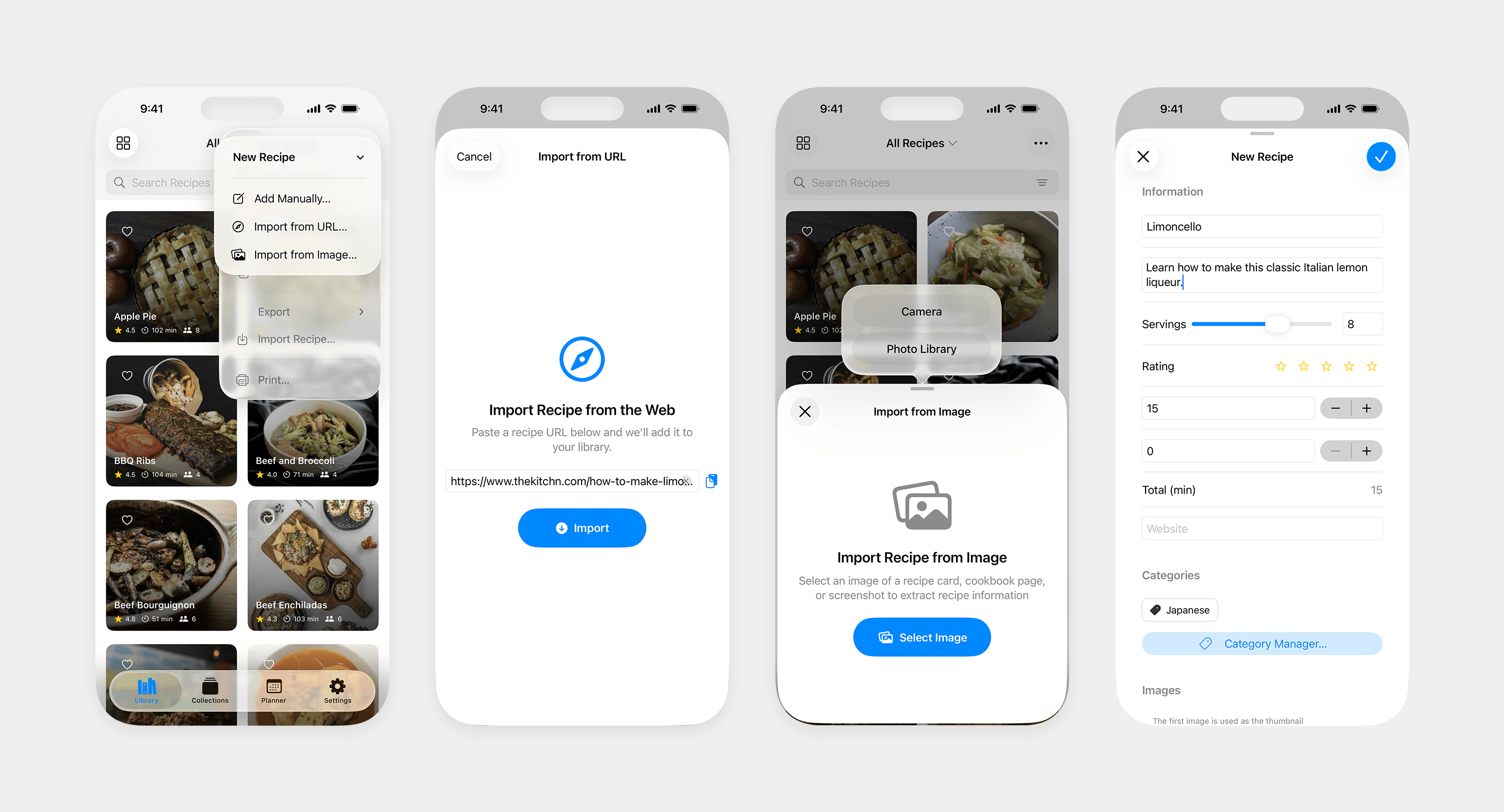
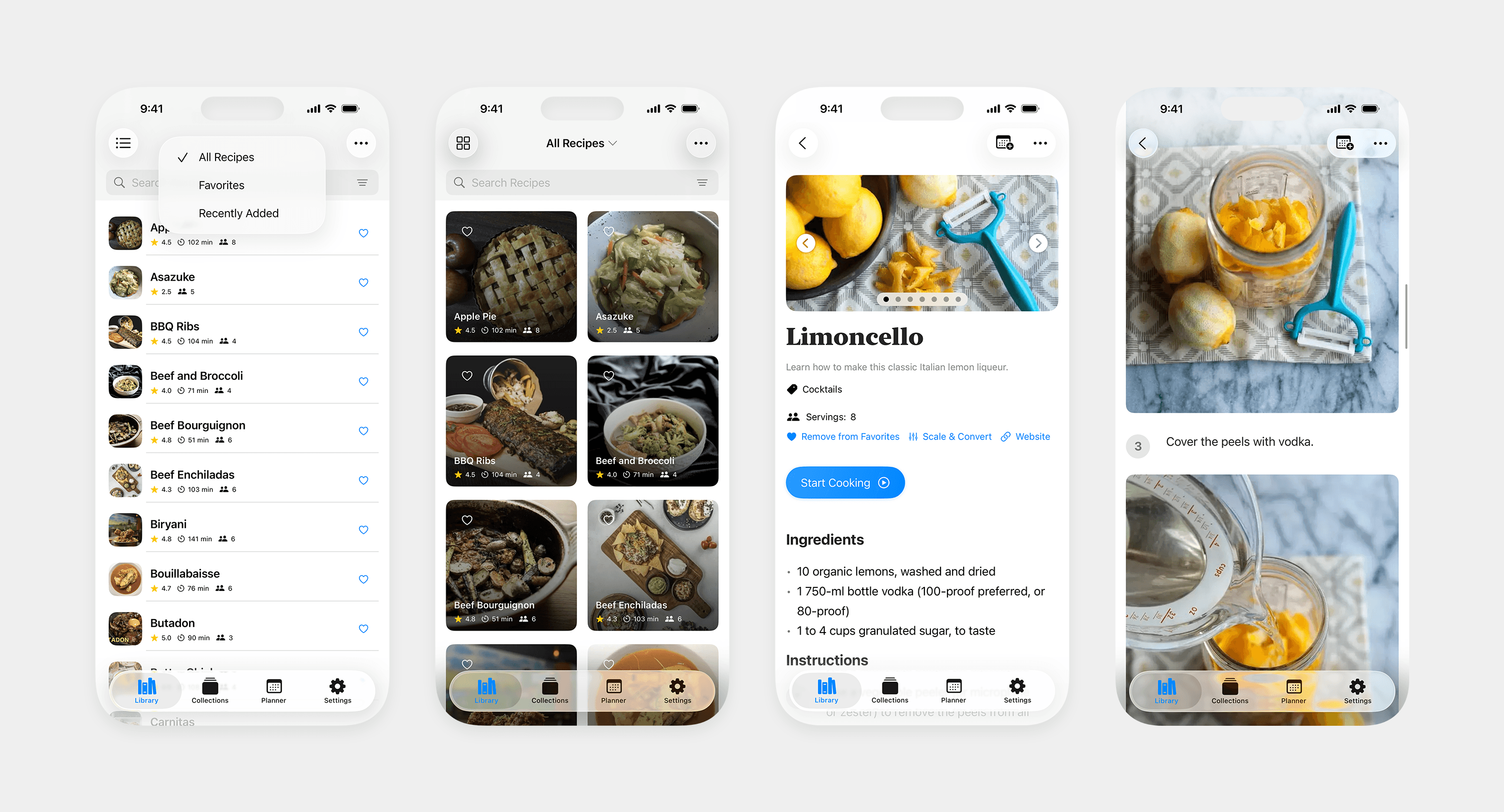
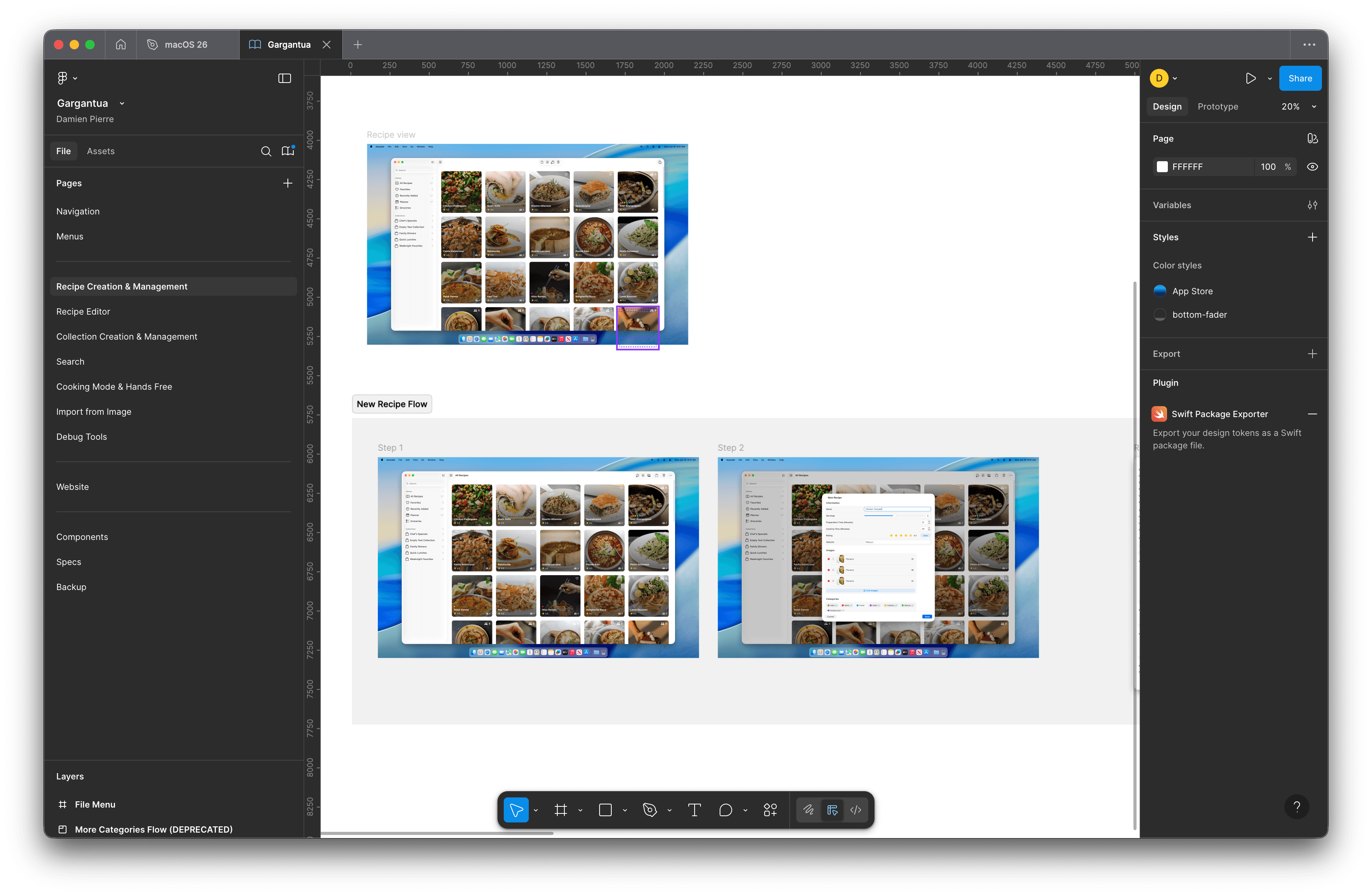
From the outset, I approached this project with the same rigor I would bring to any professional engagement. I began in Figma, crafting a comprehensive design system that would work harmoniously across Apple’s device ecosystem.
This design-first approach proved invaluable, giving me a clear north star as I navigated unfamiliar technical waters.
To keep myself organized and accountable, I set up a sprint-based Jira board, breaking the project into manageable two-week increments. Core recipe viewing and editing came first, then import functionality, followed by the AI-powered cooking assistant features. This product management discipline kept me from getting lost in feature creep and helped me maintain momentum even when facing steep learning curves.
The Development Journey
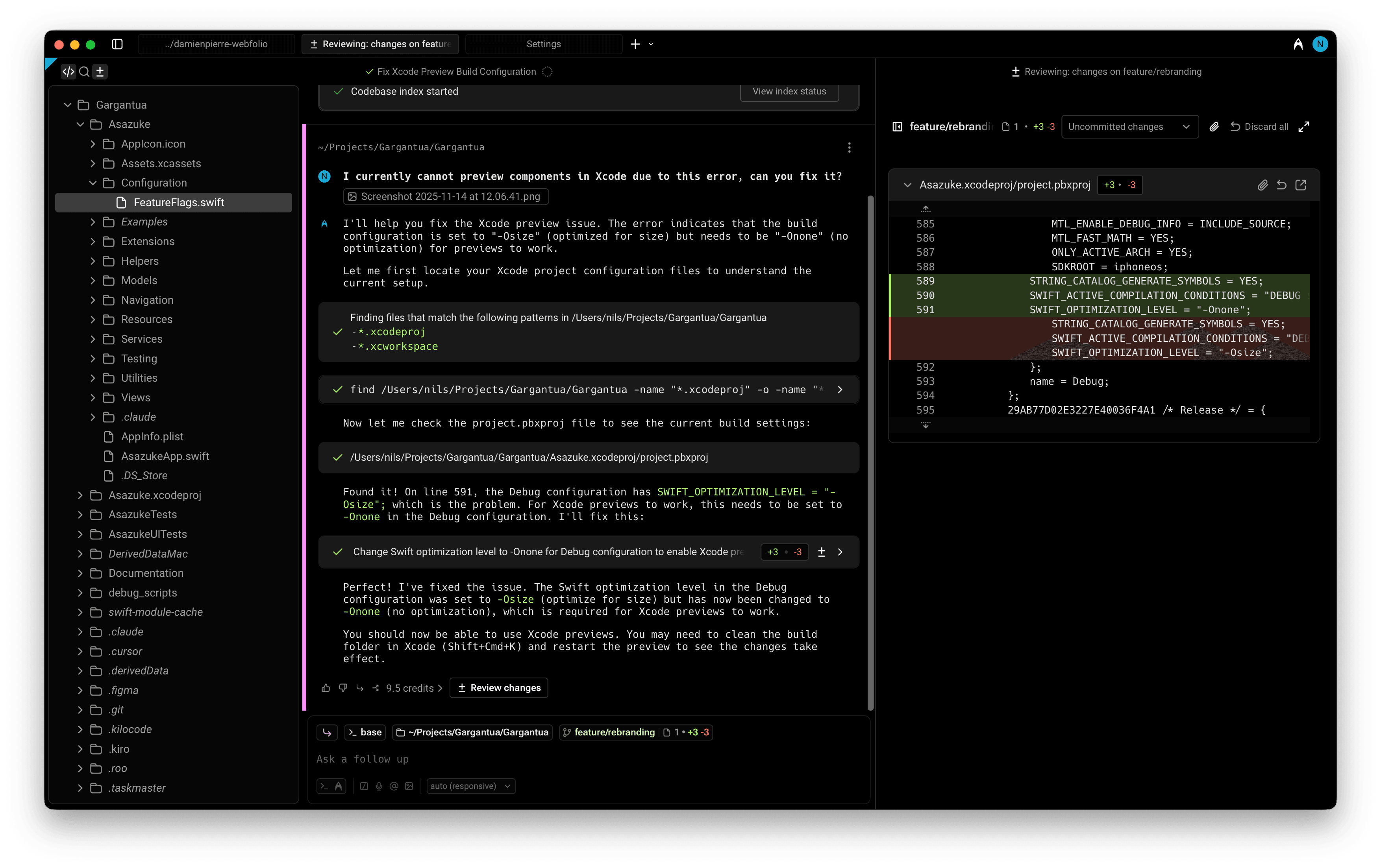
What surprised me most was the velocity I achieved once I found my rhythm. Using Claude 4.5 Sonnet through Warp AI as my development partner, I found myself genuinely understanding Swift’s patterns, SwiftUI’s declarative approach, and the Apple development ecosystem’s conventions. This wasn’t about blind automation. It was about having an incredibly knowledgeable pair programmer who could explain why certain approaches were idiomatic, help me debug cryptic compiler errors, and suggest architectural patterns that would scale.
My React background became an unexpected superpower. Component composition, unidirectional data flow and UI thinking translated remarkably well across paradigms. SwiftUI’s approach felt like familiar concepts wearing different clothes. This conceptual overlap meant I could focus on learning Swift’s syntax and Apple’s frameworks rather than relearning fundamental programming paradigms.
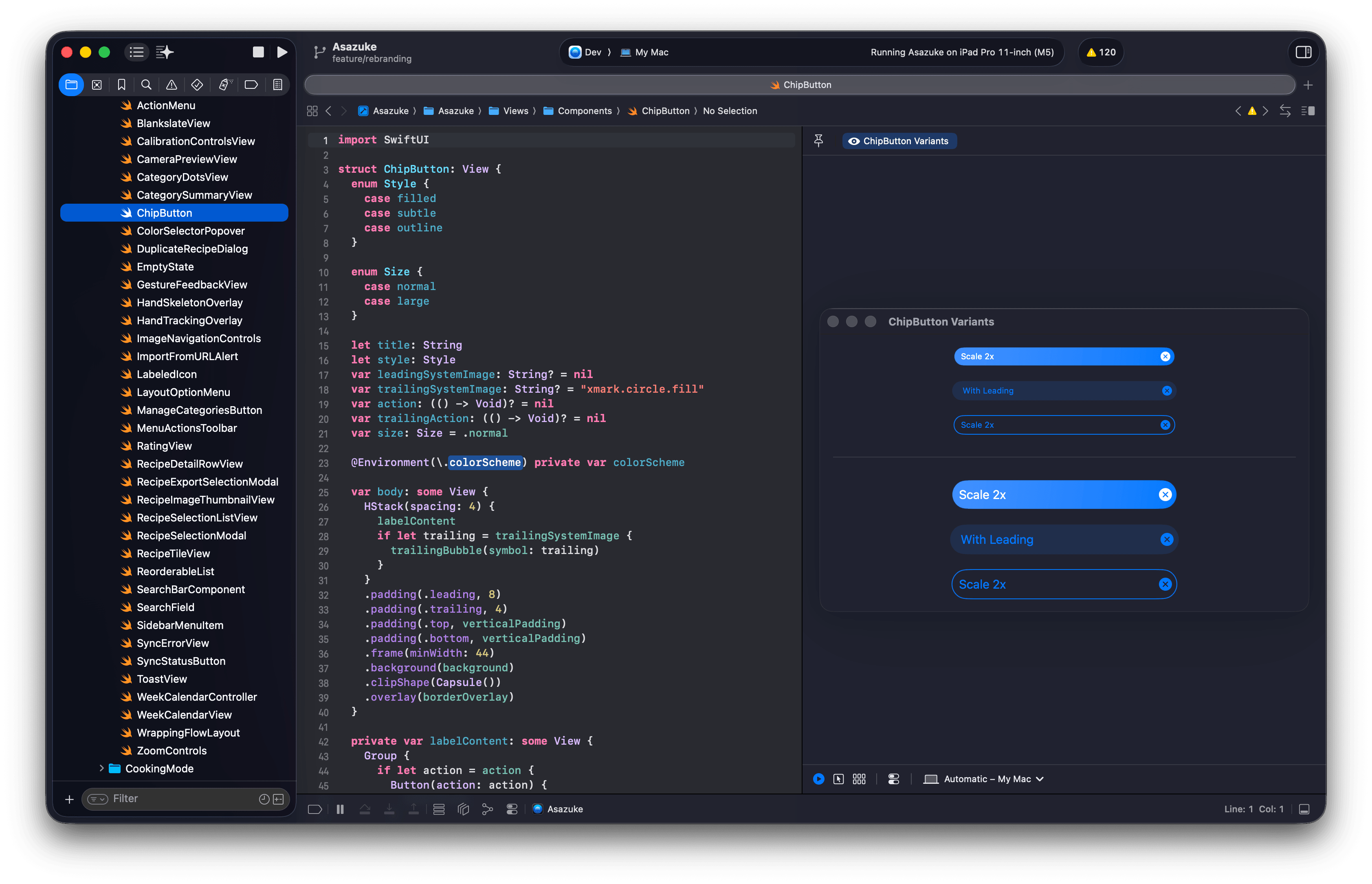
I found myself genuinely excited by Swift’s type safety and SwiftUI’s live preview system. The tight integration between design and code in Xcode, while initially foreign, began to feel powerful. I was learning not just syntax, but the philosophy behind Apple’s development ecosystem: why things worked the way they did, what trade-offs had been made, and how to think like an iOS developer.
Wearing Multiple Hats
Throughout this project, I inhabited multiple roles simultaneously, experiencing firsthand the challenges and advantages of true full-stack ownership:
As UX/UI Designer, I designed the entire experience from the ground up in Figma. This meant creating a robust information architecture that could handle everything from simple weeknight recipes to complex multi-day cooking projects. I developed a comprehensive component library, designed adaptive layouts that would feel native on each platform, and created detailed interaction specifications. Every decision was made with Apple’s design principles in mind: clarity, deference, and depth.
As Product Manager, I managed scope, priorities, and trade-offs through structured sprints. I wrote user stories, defined acceptance criteria, and constantly evaluated which features would deliver the most value.
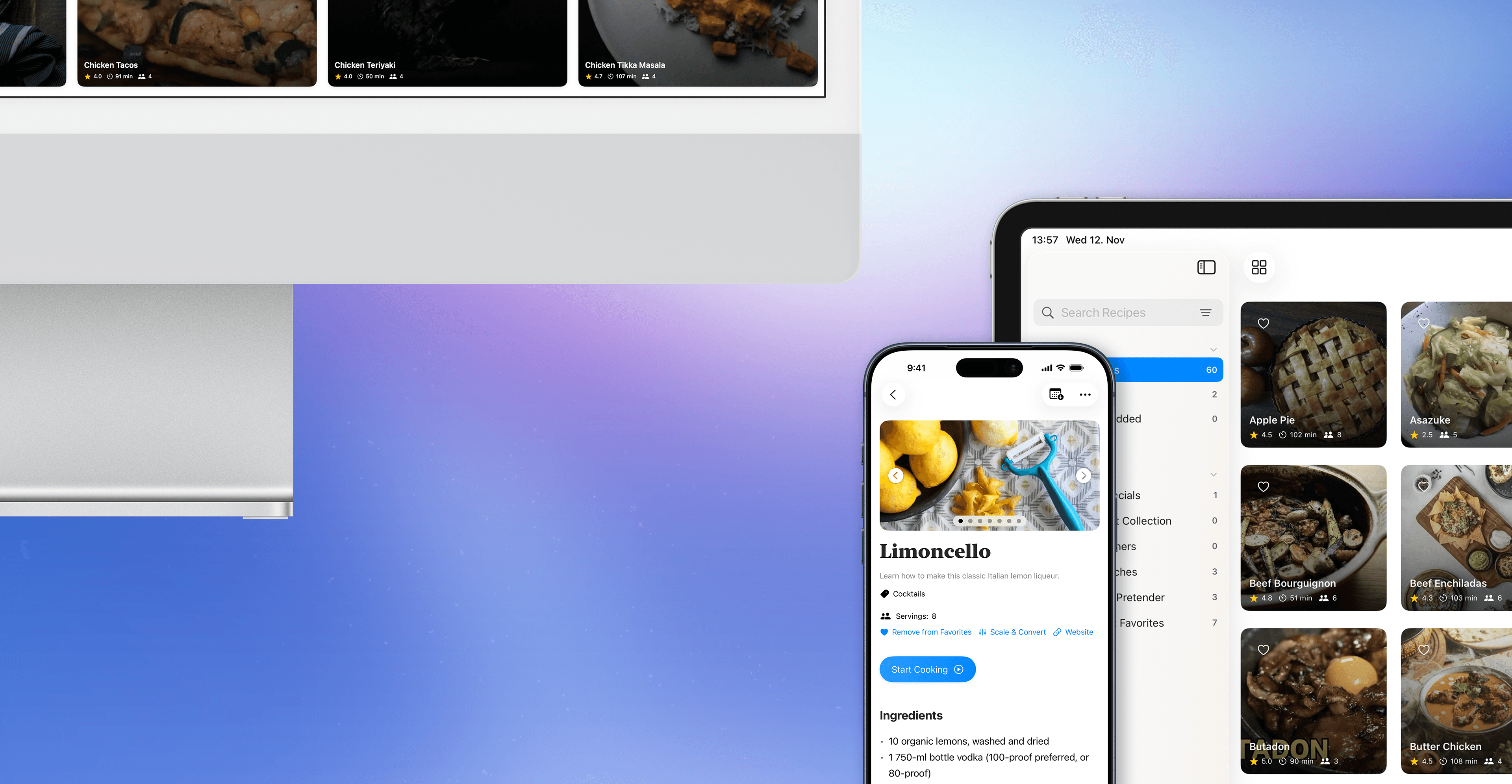
As Developer, I implemented responsive designs that adapted intelligently across Apple’s device ecosystem. I tackled challenges like efficient recipe parsing and ensuring smooth performance even with large recipe collections.l learned to think in Swift.
Reflections and Learnings
This project validated a thesis about the future of development. AI-assisted coding isn’t about replacing developer knowledge. It’s about amplifying it, accelerating the learning curve, and enabling seasoned developers to transfer their expertise across domains more fluidly. I didn’t let AI do the work; I used AI as a knowledgeable collaborator that could help me maintain velocity while building genuine, transferable expertise in Swift and the Apple ecosystem.
The experience reinforced my belief that strong foundational knowledge in software development principles (component architecture, state management, separation of concerns, user-centered design) transcends specific technologies.
We live in an era where the barriers between idea and implementation have never been lower, but the need for thoughtful design, solid engineering principles, and genuine craftsmanship has never been higher.